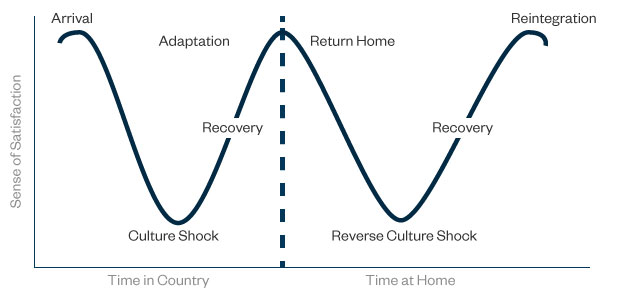
Reverse culture shock appears when people feel the difference between countries, but if they respect that difference, they will not feel like that. In fact, I didn't feel any reverse culture shock when I returned to Japan. There are two reasons. First, I wasn't able to much time in the United States by the result that coronavirus spread through in here. We intended to stay until the end of May, but we had to return to Japan at the end of March. Therefore, I couldn't really touch or experience American culture directly, and most of what I could do was a cultural difference that I knew originally. So I wasn't surprised or upset by the cultural differences. And, I hadn't been in here long enough to feel a reverse culture shock after returning to Japan. Second, I respect American and Japanese culture and can accept cultural differences. There are a lot of cultural differences between Japan and the United States, such as food culture, language, communication style and lifestyle. For example, in Japan, we don't have much physical contact when we greet, but in the United States, we take a lot of physical contact. I think Japan is polite and the United States is friendly and has a good culture with each other, so I will not be shocked by such a difference. For these reasons, I don't have a reverse culture shock because I think cultural differences are important.

No comments:
Post a Comment